
Blogs
Seasonal Maintenance Tips for Water Heaters to Maximize Energy Savings
Author: James Tingey
April 15, 2026
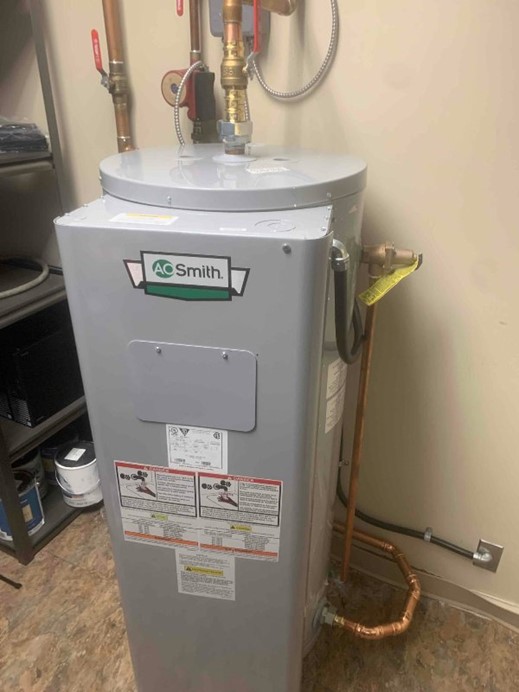
You rely on hot water every day, but when was the last time you checked your water heater? Without regular care, your system will use more energy and cost you more money. It might even break down when you need it most.
If you want to keep your utility bills low, you need a solid plan for hot water tank maintenance. A little bit of work goes a long way. By checking your system a few times a year, you can spot minor issues before they become major repair needs. Hydro-Flo Plumbing & Heating can help in Edmonton. Our team will explain what to do for hot water tank maintenance, highlight the different approaches for tankless and tank water heaters, and provide a water heater maintenance checklist.
Why Seasonal Hot Water Tank Maintenance Matters
Regular maintenance keeps your water heater running smoothly. When sediment builds up inside the tank, the system has to work much harder to heat the water. Taking the time to perform basic maintenance will improve efficiency while preventing leaks, water damage, and sudden breakdowns.
Our skilled plumbers at Hydro-Flo Plumbing & Heating know how to clean, inspect, and repair water heaters. We can help you maximize energy savings and extend your equipment’s lifespan.
Differences Between Tankless and Traditional Water Heaters
Before starting any work, you must know what kind of water heater you have. Traditional tanks store gallons of hot water at all times. Tankless systems heat water as it flows through the pipes.
Maintenance Needs for Each Type
Traditional tanks must be flushed out regularly to remove dirt and minerals. They also have an anode rod that you’ll need to check and replace over time. Maintenance for tankless water heater systems is a bit different. These units don’t store water, so they don’t have an anode rod. Instead, they need to be flushed with a descaling solution to remove mineral buildup from the heat exchanger.
Energy Efficiency Expectations
Tankless units are usually more energy-efficient because they don’t keep water hot all day long. However, a well-maintained traditional tank can still be highly efficient. Keeping either system clean is the best way to lower your energy costs.
Other Considerations
Traditional tanks take up a lot of floor space in your utility room. Tankless units hang on the wall, saving space. No matter which type you own, regular care is required to keep your warranty valid.
Traditional Water Heater Seasonal Maintenance Checklist
If you have a standard unit, follow these hot water tank maintenance tips to keep your water hot and your energy bills low:
- Flush the Tank or Heat Exchanger – Minerals from your water supply will settle at the bottom of the tank. Attach a garden hose to the drain valve and let the water flow into a bucket or a floor drain. Flushing the tank at least once a year keeps the heating elements working well.
- Remove Sediment Buildup – If the water looks cloudy or gritty, keep flushing until it runs clear. Heavy sediment buildup acts like a blanket over the burner, forcing the unit to waste energy pushing through the dirt.
- Check the Temperature Settings – Set the temperature to 50 degrees Celsius. This setting is hot enough to prevent bacterial growth but cool enough to save energy and prevent dangerous burns.
- Inspect the Anode Rod – The anode rod hangs inside the tank and attracts corrosive elements. It rusts so that your tank doesn’t have to. You should pull it out and check it every year. If it’s mostly eaten away, replace it immediately to prevent tank leaks.
- Test the Pressure Relief Valve – This valve keeps the tank from building up too much pressure and exploding. Lift the lever on the valve. Water should flow out of the attached pipe. If no water comes out – or if it drips constantly afterward – you need a new valve.
- Examine Venting and Air Supply – Gas water heaters need proper airflow to burn safely. Check the exhaust vent at the top of the tank to ensure it’s securely connected and free of rust or cracks. Clear away any boxes or clutter near the bottom of the tank to ensure good airflow.
- Look for Leaks or Corrosion – Inspect the floor around the unit and the water supply lines on top. If you see rust, water stains, or active drips, call a professional. Small leaks can quickly turn into massive floods.
- Clean the Tank Exterior and Surrounding Area – Wipe down the outside of the tank with a damp cloth, and sweep the floor underneath and around the unit. Keeping the area clean prevents dust from entering the burner assembly.
Maintenance Tips for Tankless Water Heaters
If you own an on-demand system, your routine will look a little different. Here’s the best way to handle maintenance for tankless water heater units:
- Descale the System – Hard water leaves scale inside the narrow pipes of a tankless unit. Pump a vinegar solution through the system for about 45 minutes to dissolve these minerals. Doing this once a year restores energy efficiency and prevents clogs.
- Clean Inlet Filters – Tankless systems have a small screen filter on the cold-water inlet. Turn off the water supply, remove the filter, and rinse it under the tap. This prevents dirt from entering the unit and slowing water flow.
- Check for Error Codes and Electrical Connections – Make sure there are no flashing error codes on the digital display panel. If there are, check your owner’s manual. Ensure the unit is plugged in securely and that the circuit breaker has not tripped.
- Insulate Pipes – Adding foam insulation to your pipes helps retain heat. The water stays hotter as it travels to your sinks and showers, which saves energy.
- Install Low-Flow Fixtures – Installing low-flow showerheads and faucet aerators in your home reduces the amount of hot water you use. This puts less strain on your tankless system, saving you even more money on utility bills.
- Upgrade to High-Efficiency or Hybrid Systems – If your current unit is old and frequently breaking down, it might be time for a change. Upgrading to a modern, high-efficiency system will drastically cut your energy costs over time.
Contact Us in Edmonton for a Professional Water Heater Inspection
While you can handle basic water heater maintenance on your own, having an expert examine your system adds peace of mind. If you’re not sure what to do for hot water tank maintenance, let Hydro-Flo Plumbing & Heating help. Contact us today to schedule a consultation in Edmonton or the surrounding areas.